
Artificial intelligence looks simple until you start noticing it everywhere.
One day you open your phone and the news feels perfectly tailored. You search for something on Google and get results that seem “too accurate.” You browse one product once, and suddenly you’re flooded with ads and recommendations that follow you for days.
At first, most people assume AI is something they’ll deal with in the future—something for engineers, startups, or huge companies with big budgets.
But the truth is that AI in everyday life 2026 isn’t coming. It’s already here. Quietly. Constantly. And often without you realizing it.
That’s what makes it powerful. AI doesn’t announce itself. It simply shapes what you see, what you buy, how you work, and even how you make decisions. If you’ve ever wondered how AI is changing your life, this guide will help you spot the real ways it shows up daily—with clear AI examples in real life and practical habits you can start using immediately.
Table of Contents
- Why AI in Everyday Life 2026 Matters
- Quick Picks: Fast Wins If You’re Busy
- AI Impact Comparison Table
- 1) AI Controls What You See Online
- 2) Search Is No Longer “Neutral”
- 3) Shopping Becomes Personal (and Predictive)
- 4) AI Automates Repetitive Work
- 5) AI Changes Income and Opportunities
- 6) AI Becomes Your Personal Assistant
- 7) AI Influences Health, Safety, and Daily Decisions
- A Practical Workflow to Use AI Wisely
- AdSense + SEO Tips
- Internal + External Links
- FAQ
- Final Thoughts
Why AI in Everyday Life 2026 Matters
People trust technology because it feels objective. And AI often feels “smart enough” that we assume it’s correct.
But here’s the uncomfortable truth: AI can improve your life and still mislead you at the same time. It can save you hours, but quietly shape what you believe. It can help you shop faster, but nudge you to spend more. It can summarize information, but filter context in a way you don’t notice.
That’s the real AI impact on daily life—not one dramatic change, but dozens of small, invisible decisions that add up over time.
The goal isn’t to fear AI. The goal is to understand it well enough to use it intentionally, instead of letting it run your life in the background.
Quick Picks: Fast Wins If You’re Busy
If you want the short version, these habits prevent most “AI regrets” and help you benefit without losing control:
- Audit your algorithm feeds (use “Not Interested” more than you think).
- Use incognito mode when you need neutral search results.
- Pause before buying when recommendations feel “too perfect.”
- Use AI as a first-draft tool, not a final answer.
- Cross-check important information (especially health, finance, or news).
- Learn one AI workflow instead of chasing every tool.
- Protect privacy: review app permissions and turn off tracking you don’t need.
Even if you do only two or three of these consistently, you’ll notice a real difference in clarity, focus, and control.
AI Impact Comparison Table (Fast Overview)
| AI Influence | Why It Happens | What It Looks Like | How to Respond |
|---|---|---|---|
| Online feeds | Personalization algorithms | Your feed becomes “too accurate” | Diversify sources |
| Search results | Behavior-based ranking | Results differ by device | Use incognito + verify |
| Shopping | Predictive systems | Recommendations follow you | Compare + pause |
| Work | Automation tools | Tasks become faster | Keep human review |
| Income | Productivity amplification | More output, more opportunities | Focus on one skill |
| Assistants | Context-aware AI | Tools adapt to your tone | Use for routine tasks |
| Health + safety | Pattern detection | Fraud alerts, health insights | Use responsibly |
1) AI Controls What You See Online
This is the most invisible change—and arguably the most powerful.
Why it happens
Platforms make money when you stay longer. AI learns what holds your attention and quietly feeds you more of it.
What it looks like
- Your feed becomes a mirror of your recent mood.
- You see the same themes and opinions repeatedly.
- Content feels “viral” even if it’s only viral inside your bubble.
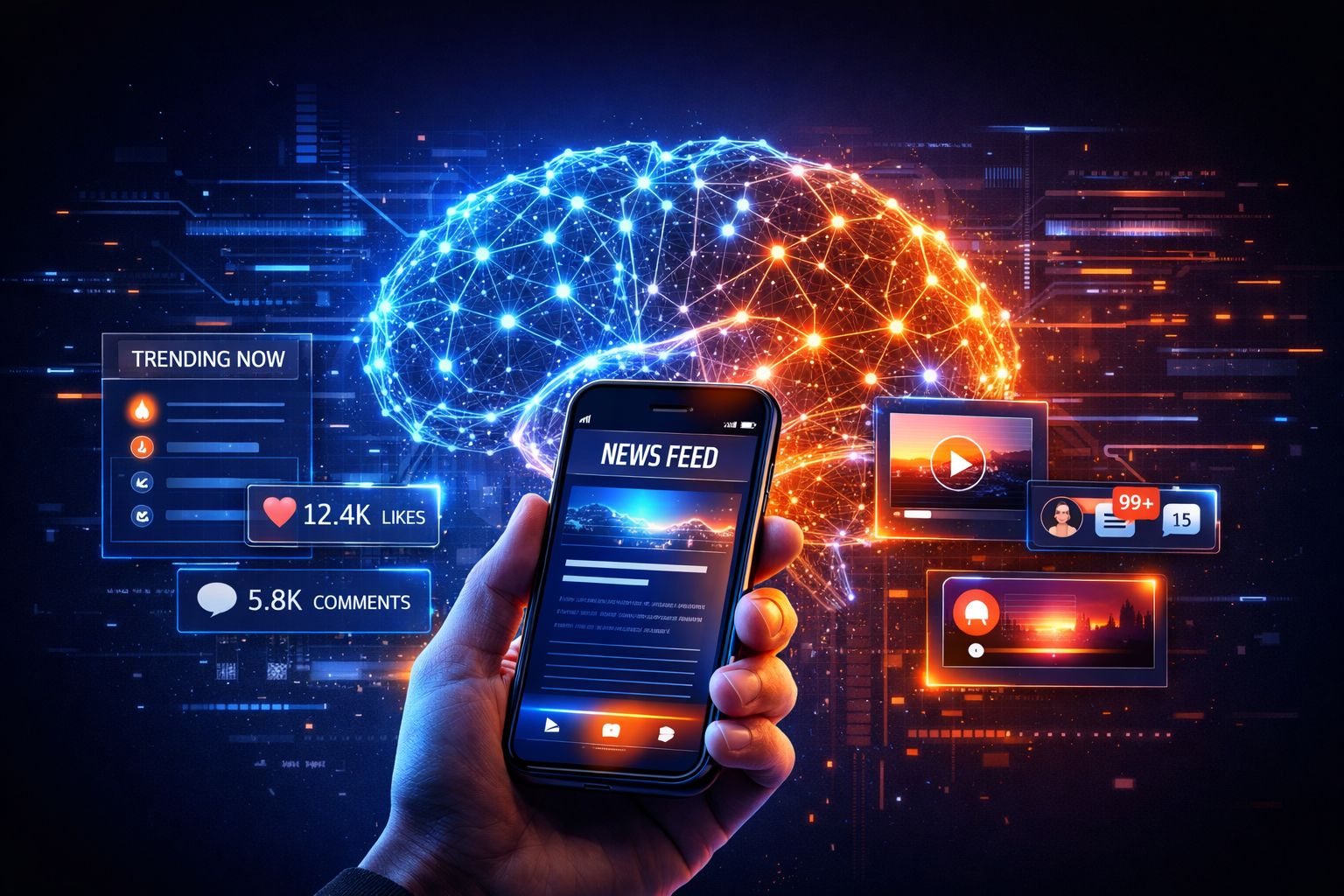
AI examples in real life
Watch one video about productivity and suddenly your feed becomes “work hacks,” “hustle culture,” and “AI tools you must use.” That’s AI in everyday life 2026 shaping attention—quietly.
How to stay in control
- Use “Not Interested” aggressively.
- Follow voices outside your comfort zone.
- Don’t rely on one platform for news or learning.
- Take short “algorithm breaks” each week.
If you want to understand how personalization affects what people see daily, you may also enjoy this related post on your site:
7 Powerful Ways AI Is Changing Everyday Life (2026).
2) Search Is No Longer “Neutral”
Search used to feel universal. Now it’s personal.
Why it happens
AI adjusts results using browsing history, location, device behavior, and what it predicts you’ll prefer reading.
What it looks like
- Two people search the same keyword and get different results.
- AI summaries appear before links, changing how people consume information.
- People trust “quick answers” without checking sources.
How to respond
- Use incognito mode for neutral research.
- Compare multiple sources for important topics.
- Don’t rely on summaries alone—especially for health, money, or legal info.
For readers who want deeper data-backed context on why numbers and interpretations can shift, a smart internal follow-up is:
9 Data Analysis Mistakes (And How to Fix Them).
3) Shopping Becomes Personal (and Predictive)
Online shopping feels smarter in 2026 for one reason: AI learns you fast.
Why it happens
E-commerce platforms optimize conversion. AI tracks behavior and predicts what you’re likely to buy next.
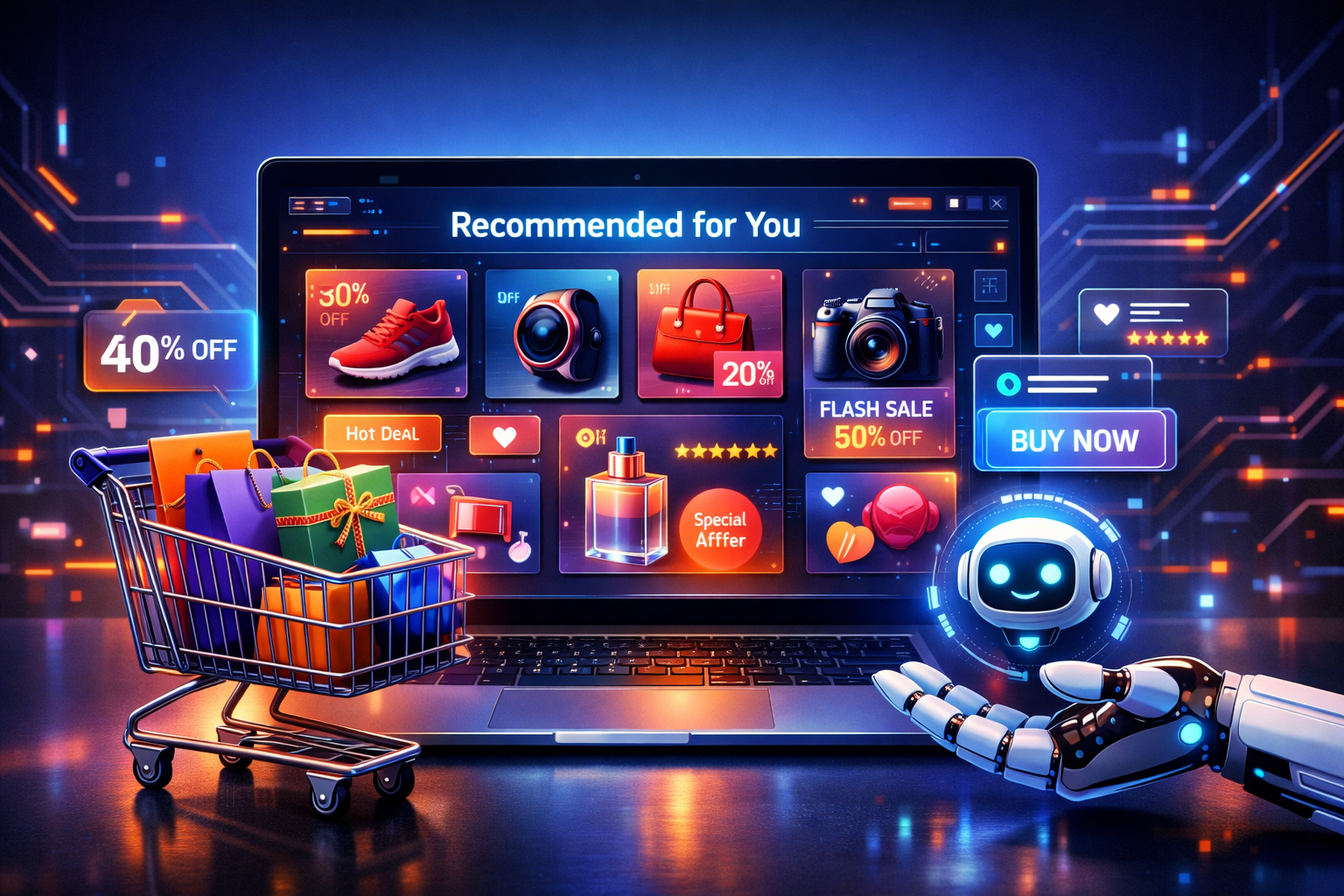
What it looks like
- Highly accurate recommendations.
- Urgency-based messages (“Only 2 left!”).
- Bundles designed around your habits.
- Ads following you across the web.
How to stay smart (without overthinking)
- Compare prices on different devices.
- Wait 24 hours before non-essential purchases.
- Read independent reviews outside the platform.
- Search “best alternative to…” to avoid impulse buys.
4) AI Automates Repetitive Work
This is where AI becomes genuinely useful—especially if your work involves writing, planning, summarizing, or organizing.
Why it happens
AI is excellent at patterns. Drafting, summarizing, rewriting, and structuring content are exactly the tasks machines handle well.
AI examples in real life
- A student summarizes a 20-page PDF before exams.
- A marketer drafts multiple ad variations in minutes.
- A freelancer generates proposals faster.
- A creator turns bullet points into a script outline.
Best practice (the human way)
Use AI for the first draft, then rewrite in your voice. AI can make you faster. You make it real.
Readers who want practical tool ideas can explore your site’s strongest internal resources:
7 Free AI Tools That Feel Illegal to Use in 2025
and
17 Best AI Tools for Content Creators (Save 10+ Hours a Week).
5) AI Changes Income and Opportunities
AI isn’t replacing everyone—but it is rewarding people who adapt.
Why it happens
AI amplifies output. If you can produce faster with the same quality, you gain time, leverage, and new options.
What it looks like
- People with similar skills earning differently.
- AI literacy becoming a hiring advantage.
- Faster content publishing and testing.
What to do (simple, realistic)
Pick one skill and one workflow. Don’t chase every tool. For example:
- Writing → outlines + rewriting + editing
- Marketing → research + ad variations + content planning
- Business → idea validation + SOPs + email drafts
If readers want more tool discovery, link naturally to:
10 Best Free AI Tools Nobody Is Talking About (2025).
6) AI Becomes Your Personal Assistant
In 2026, AI tools don’t just respond—they adapt. Over time, they learn your tone, preferences, and habits.
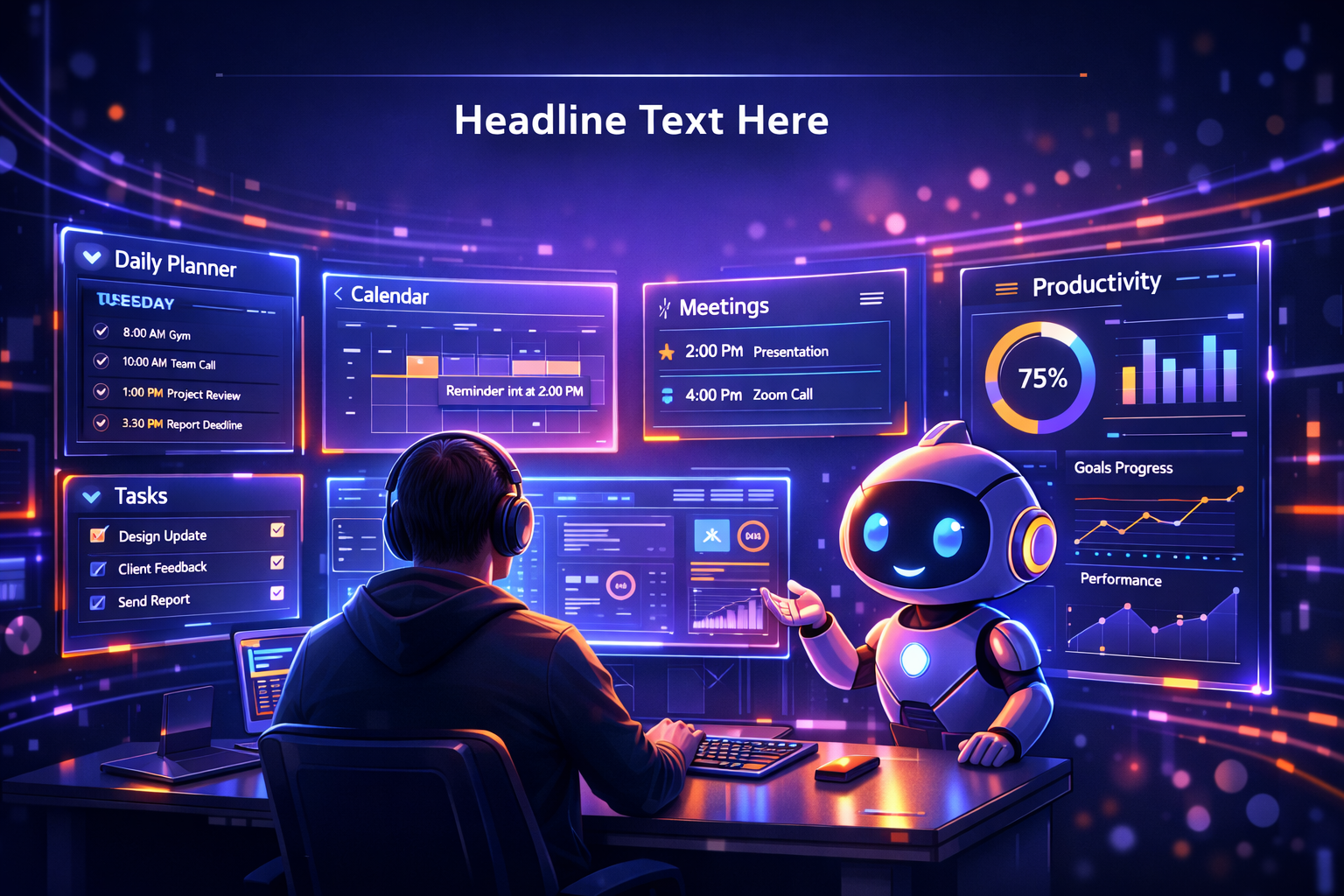
AI examples in real life
You ask: “Reply politely, keep it short, don’t sound too formal.”
And the tool responds like an assistant who understands context—not a machine generating random words.
How to use it daily
- Weekly planning and scheduling
- Meeting prep (agenda + notes)
- Brainstorming and outlining
- Writing clearer emails and messages
7) AI Influences Health, Safety, and Daily Decisions
This is often overlooked, but AI is already protecting you.
AI examples in real life
- Your bank flags suspicious spending automatically.
- Your smartwatch detects unusual heart patterns.
- Your maps app predicts traffic and reroutes you.
- Your inbox filters dangerous spam attempts.
How to stay safe
- Enable security alerts in banking apps.
- Use health insights responsibly (they’re signals, not diagnoses).
- Review permissions and tracking settings every month.
- Don’t share sensitive data with unknown AI tools.
A Practical Workflow to Use AI Wisely
If you want a repeatable system that helps you benefit from AI without getting overwhelmed, use this workflow:
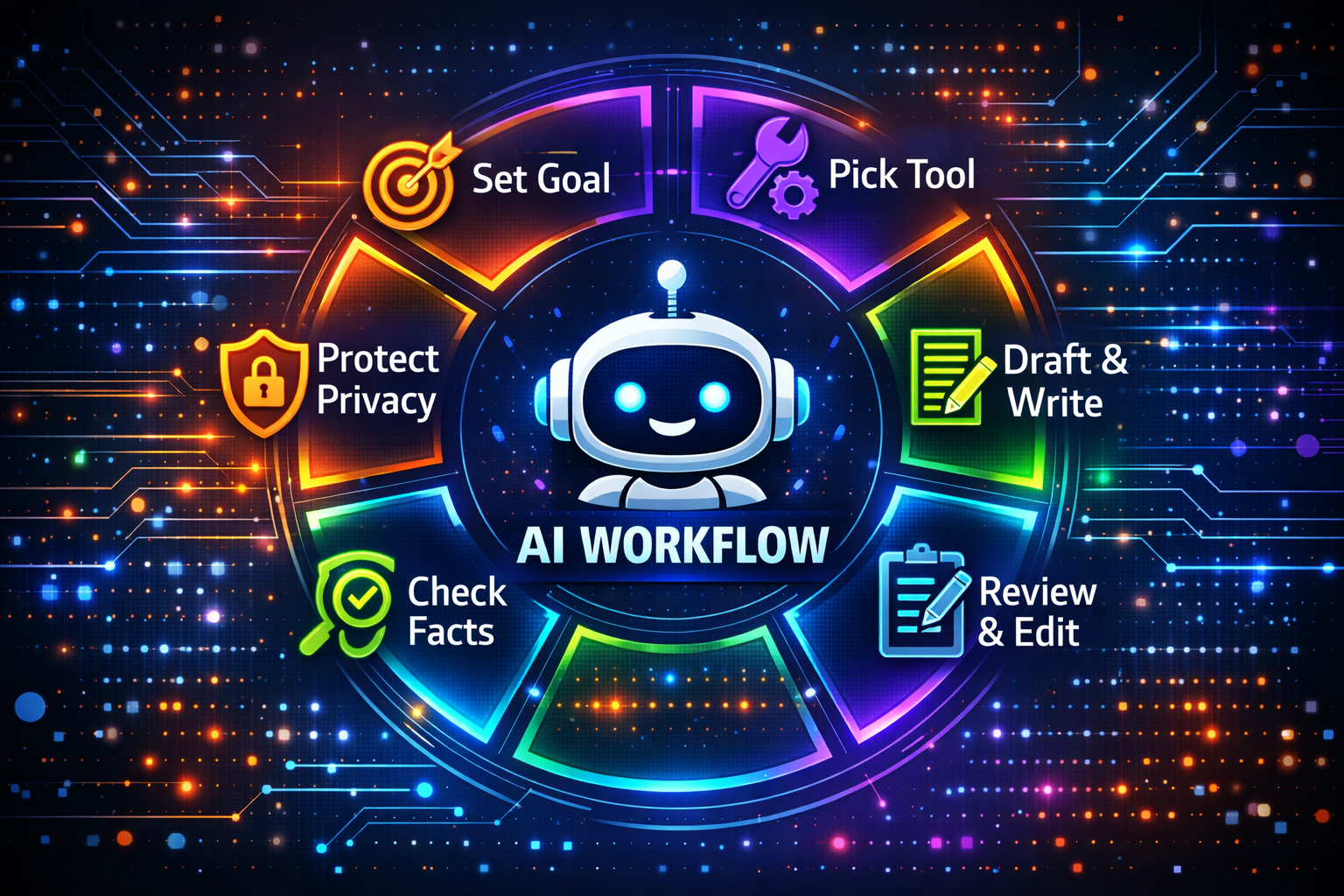
- Define your goal: What do you want AI to help with (work, learning, writing, planning)?
- Pick one tool: Avoid switching constantly.
- Use AI for drafts: Save time, not judgment.
- Human review: Always check accuracy and tone.
- Cross-check facts: Especially important topics.
- Protect privacy: Avoid sharing personal data.
- Build habits: Small improvements compound.
AdSense + SEO Tips (Increase RPM and Rankings)
- Use short paragraphs (2–4 lines) to improve mobile reading.
- Add one table early (like above) to improve engagement.
- Use internal links naturally to reduce bounce rate.
- Include 1–2 images with descriptive alt text (avoid generic alt text).
- Add an FAQ section to rank for “People Also Ask.”
- Target long-tail phrases in headings without forcing them.
- Keep examples practical—this improves time on page and trust.
Internal + External Links
Recommended Internal Links (from your site)
- 7 Powerful Ways AI Is Changing Everyday Life (2026) — great follow-up for readers who want a shorter overview.
- 7 Free AI Tools That Feel Illegal to Use in 2025 — practical tools for people ready to try AI.
- 10 Best Free AI Tools Nobody Is Talking About (2025) — more discovery-focused tool list.
- 17 Best AI Tools for Content Creators (Save 10+ Hours a Week) — high-intent readers love this.
- 9 Data Analysis Mistakes (And How to Fix Them) — useful for readers who care about accuracy and decision-making.
Recommended External Resources (authority links)
- Google Blog: AI Updates — reliable updates on how AI is evolving.
- Stanford HAI: AI Index Report 2025 (PDF) — data-backed AI trends and societal impact.
- MIT News: Artificial Intelligence — science-focused AI developments.
- World Economic Forum: Artificial Intelligence — AI impact on society and the economy.
- Google DeepMind Blog — insights into major AI breakthroughs.
FAQ
What are the best AI examples in real life?
Some of the most common AI examples in real life include recommendation feeds on social media, personalized search results, fraud detection in banking, smart assistants, online shopping suggestions, and health insights from wearable devices.
How AI is changing your life in 2026?
How AI is changing your life in 2026 comes down to personalization and automation. It shapes what you see online, reduces repetitive work, improves recommendations, and supports safety systems—often without you noticing.
Is AI in everyday life 2026 mostly helpful or risky?
It’s both. AI can save time and improve experiences, but it also raises concerns around privacy, echo chambers, and over-reliance. The best approach is mindful use: benefit from AI while keeping human judgment in control.
How can beginners start using AI without feeling overwhelmed?
Start with one tool and one task. For example, use AI to summarize articles, draft emails, or plan your week. Once it becomes a habit, expand slowly.
Final Thoughts
AI isn’t something you’ll deal with “one day.” It’s already shaping your reality.
The real question isn’t whether AI will affect you—it already does. The real question is: will you let AI influence your life quietly, or will you use it intentionally?
If you want a practical next step, choose one area (work, search, shopping, or daily planning) and apply one AI habit this week. Small improvements add up faster than most people expect.










1 Comment
[…] 7 Powerful Ways Artificial Intelligence Is Quietly Changing Your Life in 2025 […]